3 Key Takeaways
- Certain materials are prohibited from being placed in rolloff dumpsters due to environmental and safety regulations.
- Improper disposal can result in additional fees, delayed pickups, or rejected loads.
- EAI Rolloff can help customers identify the proper disposal method for restricted materials.
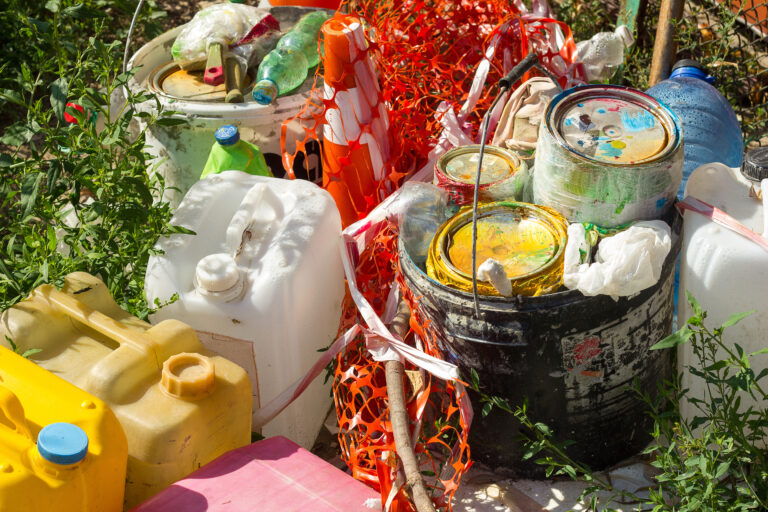
Renting a dumpster is one of the easiest ways to manage waste from construction projects, renovations, cleanouts, landscaping work, and demolition jobs. However, not everything can legally or safely be thrown into a rolloff container.
Many items contain hazardous materials, pose environmental risks, or require specialized recycling and disposal methods. Placing prohibited items in a dumpster can lead to additional charges, delayed service, rejected loads, and potential regulatory violations.
Before loading your dumpster, make sure you understand what materials should be kept out of the container.
1. Batteries
Batteries are among the most common prohibited items found in dumpsters. Whether it’s a household battery, rechargeable battery, vehicle battery, or lithium-ion battery, all batteries can present serious fire risks when damaged or improperly disposed of. Lithium-ion batteries are particularly dangerous because they can ignite when crushed during transportation or processing.
Instead of placing batteries in a dumpster, take them to an approved battery recycling facility or collection program.
2. Paint, Stains, and Solvents
Liquid paints, stains, thinners, and solvents often contain chemicals that can contaminate soil and groundwater if disposed of improperly. While some fully dried latex paint may be accepted in certain situations, liquid paint products should never be placed in a dumpster without first confirming disposal requirements.
Always check local disposal guidelines or contact your waste provider for recommendations.
3. Tires
Tires require special handling and recycling procedures, which is why they are generally not accepted in standard rolloff dumpsters. Tires can trap gases, create operational challenges at disposal facilities, and are subject to separate environmental regulations.
However, tires may be accepted under certain circumstances when special arrangements are made in advance. If your project involves tire disposal, contact EAI Rolloff before loading them into your dumpster. Our team can explain the requirements, any applicable fees, and the proper disposal options available for your location.
Many automotive shops, tire retailers, and recycling facilities also offer dedicated tire recycling services.
4. Refrigerators and Appliances Containing Refrigerants
Appliances such as refrigerators, freezers, air conditioners, and dehumidifiers often contain refrigerants that must be professionally removed before disposal. Federal and state regulations require proper handling of these materials to prevent environmental damage. If you’re disposing of appliances, ask about refrigerant removal requirements before scheduling pickup.
5. Propane Tanks and Pressurized Containers
Propane tanks, gas cylinders, aerosol cans, and other pressurized containers can explode when crushed during transportation or processing. Even empty containers may still contain residual pressure or flammable contents. These materials should be taken to approved recycling or hazardous waste collection facilities.
6. Hazardous Chemicals
Hazardous materials should never be placed in a dumpster under any circumstances.
Examples include:
- Pesticides
- Herbicides
- Pool chemicals
- Industrial cleaners
- Automotive fluids
- Corrosive chemicals
Improper disposal can create significant environmental and safety hazards while potentially resulting in fines or penalties.
7. Asbestos-Containing Materials
Asbestos is heavily regulated due to its health risks. Materials containing asbestos require specialized handling, transportation, and disposal procedures. If your project involves an older structure, asbestos testing may be necessary before demolition or renovation work begins. Always consult qualified environmental professionals before attempting to dispose of suspected asbestos-containing materials.
8. Medical Waste
Medical waste, including needles, syringes, pharmaceuticals, and biohazard materials, should never be thrown into a dumpster. These materials require specialized disposal methods designed to protect workers, the public, and the environment. Healthcare providers and approved disposal facilities can assist with proper handling.
9. Electronics
Electronic devices often contain recyclable materials as well as components that require special processing.
Common examples include:
- Computers
- Printers
- Televisions
- Monitors
- Servers
- Networking equipment
Many communities offer electronics recycling programs that provide a safer and more environmentally responsible disposal option.
10. Large Quantities of Concrete, Dirt, and Asphalt
Concrete, dirt, brick, rock, and asphalt can often be accepted, but they typically require special containers due to their weight. Loading these materials into a standard mixed-debris dumpster can exceed legal hauling limits and create transportation challenges.
If your project involves heavy materials, be sure to discuss them with your dumpster provider before delivery.
Why These Restrictions Matter
Dumpster restrictions exist for several important reasons:
- Protect public safety
- Prevent environmental contamination
- Reduce fire risks
- Comply with local, state, and federal regulations
- Support responsible recycling and disposal practices
Understanding these guidelines helps ensure your project stays on schedule while avoiding unnecessary fees or complications.
Questions About What Can Go in Your Dumpster?
If you’re unsure whether a material is acceptable, it’s always best to ask before loading it into the container. A quick conversation can prevent costly disposal issues later.
EAI Rolloff provides reliable dumpster rental and waste removal services throughout the Washington, DC metropolitan area, including:
With thousands of dumpsters, a large fleet of rolloff trucks, and decades of experience serving commercial contractors, developers, businesses, and homeowners, EAI Rolloff can help you choose the right container and ensure materials are disposed of properly.
Contact EAI Rolloff today to schedule your dumpster rental or discuss the best disposal solution for your project.