
- Dedicated rolloff containers can make it easier to separate concrete, wood, metal and other recyclable construction materials directly at the job site.
- Source separation can help reduce contamination, improve recycling opportunities and keep busy construction sites better organized.
- EAI Rolloff provides construction dumpster and recycling solutions from locations in Clarksburg, Capitol Heights and Manassas, serving Washington, DC, Baltimore, Maryland and Northern Virginia.
A Better Way to Manage Construction Debris
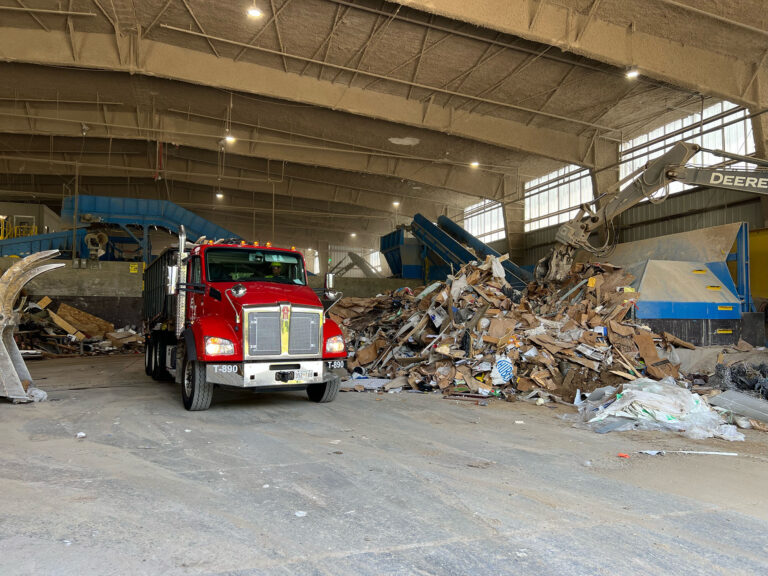
Construction and demolition projects can generate a tremendous amount of debris, but not everything coming off a job site needs to be treated the same way. Concrete, wood, metal, cardboard and mixed construction debris may all have different recycling and disposal options. On larger projects, contractors often use dedicated rolloff containers to separate these materials as they’re generated instead of putting everything into one mixed container. When the project and available job site space allow for it, this approach can make waste handling more organized while creating additional opportunities to recycle construction materials.
At EAI Rolloff, we work with contractors throughout Washington, DC, Baltimore, Maryland and Northern Virginia to determine the right container setup for each project. With locations in Clarksburg and Capitol Heights, Maryland, and Manassas, Virginia, our team can support everything from individual construction and demolition jobs to large projects requiring multiple containers and frequent service. The right approach depends on the materials being generated, the amount of available space, the project schedule and the recycling goals established before work begins.
Why Separate Construction Materials at the Job Site?
Source separation simply means placing different types of construction debris into designated containers rather than mixing everything together. A demolition project, for example, might have one rolloff container dedicated to concrete and masonry, another for metal and another for general construction debris. This allows recyclable materials to remain cleaner and makes them easier to process once they leave the site.
Keeping materials separated can be particularly useful on larger construction projects where significant quantities of the same material are generated. Concrete removal, structural demolition, site development and major renovations can produce enough material to justify dedicated containers. Separating these materials as the work is performed can also reduce contamination from trash or other debris that could otherwise limit recycling opportunities later.
That doesn’t mean every construction project needs a row of separate dumpsters. Smaller jobs or sites with limited space may be better suited for mixed construction debris. An experienced rolloff provider can help determine which approach makes the most sense based on the project instead of automatically recommending more containers than the job actually requires.
Dedicated Containers for Concrete and Masonry
Concrete is one of the most common materials generated during demolition, site development and renovation projects, and it can also be one of the heaviest. Keeping concrete, block and brick separate from general construction debris can make the material easier to direct to an appropriate recycling or processing facility.
Because of the weight involved, selecting the right container and understanding how much material can safely be loaded are especially important. A rolloff dumpster that looks only partially full can still reach its allowable weight when it contains concrete or other dense materials. Planning for this before work starts helps avoid overloaded containers and transportation problems once the dumpster is ready for pickup.
For contractors working on projects throughout Washington, DC and Baltimore, where demolition and redevelopment are common, having a plan for concrete disposal before breaking ground can help keep the job site moving without creating a pile of material waiting to be removed.
Separating Wood, Metal and Cardboard
Concrete isn’t the only construction material with recycling potential. Depending on the project and condition of the material, wood, metal and cardboard can also be separated from the general waste stream. Dedicated containers make it easier for crews to know exactly where materials should go and help prevent recyclable loads from becoming mixed with regular trash.
Metal is a good example because structural steel, piping, wiring and other metal materials frequently come out of demolition and renovation projects. Cardboard can also accumulate quickly during new construction as fixtures, equipment and building materials arrive on site. Wood may be generated during framing, demolition, land clearing and other phases of construction. When enough of a particular material is being generated, separating it at the source can make the recycling process more efficient.
The key is having a system that crews can actually follow. Containers should be clearly identified and placed where they are convenient without interfering with deliveries, equipment or site access. A recycling plan that looks good on paper isn’t very useful if the dumpsters are positioned where workers can’t easily use them.
Keeping a Busy Construction Site Organized
Waste management is only one part of running a construction site, but poor waste management can quickly affect everything else. Debris piles can take up valuable working space, interfere with equipment and create unnecessary safety concerns. When dedicated rolloff containers are incorporated into the site plan, crews have designated locations for materials as they’re removed, helping keep work areas cleaner and more organized.
Container service also needs to match the pace of the project. During heavy demolition, a concrete or mixed debris container may fill much faster than expected, while another container may remain on site considerably longer. Coordinating pickups and exchanges based on actual usage prevents full dumpsters from becoming bottlenecks and avoids unnecessary service for containers that aren’t ready to leave.
This is especially important on larger commercial projects where multiple trades may be working at the same time. Having enough containers available and the trucking capacity to service them consistently can make a noticeable difference over the course of a long project.
Supporting Construction Recycling Goals
Many contractors, developers and project owners are paying closer attention to how construction waste is handled. Some projects have specific recycling goals, while others may require documentation showing where materials went and how much was diverted from landfill disposal. Separating materials at the job site can make that process easier because recyclable loads can be tracked individually rather than trying to determine what could be recovered from a completely mixed waste stream.
EAI Rolloff works closely with C&D Recovery, another Pleasants company, to provide coordinated hauling, processing and construction debris recycling options throughout the region. This relationship gives contractors access to more than simply a dumpster and a truck. EAI can help customers think through the entire waste process, including container selection, placement, pickup schedules, recycling opportunities and the handling of materials once they leave the project.
For projects pursuing green building or other sustainability goals, planning these details early can be especially valuable. Waiting until dumpsters are already being filled makes it much harder to change how materials are being handled halfway through a project.
When Does Source Separation Make Sense?
There isn’t one answer that works for every construction site. A large demolition project generating substantial amounts of concrete, metal and wood may benefit greatly from separate containers, while a small renovation with limited space may be more efficiently handled with a single mixed construction debris dumpster. The type and volume of material, available staging space, project duration, local disposal requirements and frequency of service all need to be considered.
That’s why the conversation should happen before the first container arrives. EAI’s team can review the type of work being performed and recommend a rolloff setup that fits the project rather than trying to force every customer into the same waste management plan. As the project progresses, container quantities and service schedules can also be adjusted to match changing conditions on the site.
Construction Rolloff Service Across the Washington, DC & Baltimore Region
EAI Rolloff operates approximately 100 rolloff trucks and manages more than 3,000 dumpsters, giving our team the capacity to support demanding construction schedules throughout the region. From our locations in Clarksburg, Capitol Heights and Manassas, we provide rolloff service throughout Washington, DC, Baltimore, Central Maryland and Northern Virginia.
Whether your project needs one container for mixed construction debris or multiple dedicated rolloffs for concrete, wood, metal and other materials, planning the right setup can make disposal and recycling much easier throughout the life of the job. EAI Rolloff can help determine the appropriate container sizes, placement and service schedule while identifying opportunities to recycle construction debris whenever practical.
Contact EAI Rolloff before your next construction or demolition project to discuss your materials, job site and recycling goals. A little planning before the first dumpster arrives can make waste management much easier once the work gets underway.