
- Learn what happens after your rolloff dumpster is picked up, from transportation to recycling and responsible disposal.
- Discover how recyclable construction materials are separated to reduce landfill waste and support sustainable construction.
- See how EAI Rolloff and C&D Recovery work together to provide efficient waste management throughout Washington, DC, Baltimore, Maryland, and Northern Virginia.
Your Dumpster’s Journey Doesn’t End at the Curb
Once a rolloff dumpster is loaded onto the back of a truck and pulled away from your home, business, or construction site, most people never give it another thought. The debris is gone, the project continues, and another container is delivered if more waste needs to be removed. While that may seem like the end of the process from a customer’s perspective, it’s really just the beginning. Every dumpster collected by EAI Rolloff begins a carefully managed journey that includes transportation, material evaluation, recycling whenever possible, and responsible disposal. The goal isn’t simply to haul waste away. It’s to make sure every load is handled safely, efficiently, and in accordance with local and state regulations while recovering recyclable materials whenever practical.
Serving customers throughout Washington, DC, Baltimore, Maryland, and Northern Virginia, EAI Rolloff manages thousands of containers from its locations in Clarksburg, Capitol Heights, and Manassas. Whether the dumpster comes from a residential cleanout, commercial renovation, roofing project, or large-scale construction site, every load follows a process designed to keep projects moving while minimizing unnecessary landfill waste.
Every Pickup Is Planned with Safety and Efficiency in Mind
Before a dumpster ever leaves your property, one of EAI’s experienced drivers performs a visual inspection to ensure the container can be transported safely. Overloaded dumpsters, improperly distributed debris, or prohibited materials can create hazards during transportation, so taking a few moments to verify the load protects everyone involved. Once the container is secured onto the truck, it begins its trip to the appropriate processing facility based on the type of debris inside. Contrary to what many people believe, not every dumpster heads directly to a landfill. The destination depends on the materials collected and whether those materials can be recycled, processed, or require disposal through another approved method.
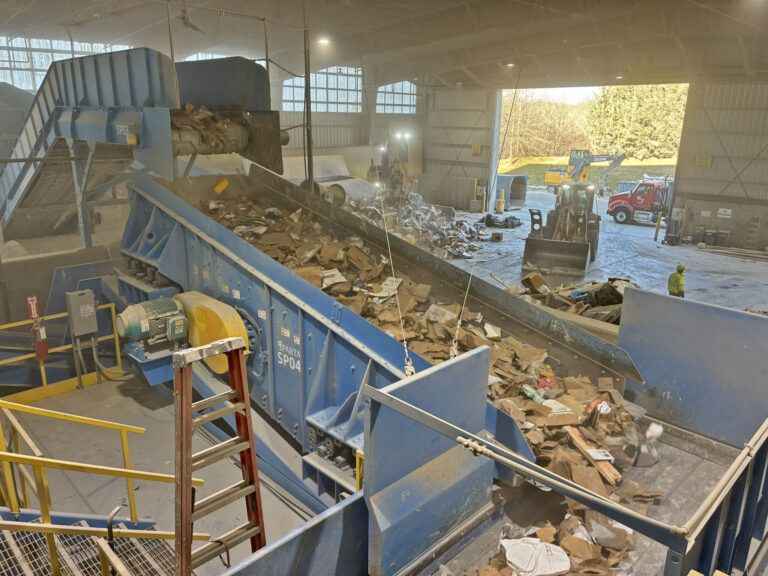
Construction and demolition projects often produce a surprising amount of recyclable material. Concrete, asphalt, metal, untreated wood, cardboard, and other common building materials frequently have another life beyond the job site. Recovering those materials helps reduce landfill use while conserving valuable natural resources, which is why separating recyclable debris has become such an important part of today’s construction waste management industry.
Recycling Plays a Bigger Role Than Most People Realize
One of the biggest misconceptions about dumpster rentals is that everything ends up buried in a landfill. In reality, the waste industry has changed dramatically over the last several decades. Today’s facilities work to recover as much reusable material as possible before anything is disposed of. That process not only benefits the environment but also supports sustainable construction practices that many contractors, developers, and municipalities now prioritize on their projects.
As part of the Pleasants family of companies, EAI Rolloff works closely with C&D Recovery to help maximize recycling opportunities for construction and demolition debris. While EAI specializes in transporting rolloff containers quickly and efficiently throughout the region, C&D Recovery processes incoming materials to recover recyclable products whenever possible. Together, the companies provide customers with a streamlined solution that combines hauling, recycling, and disposal under one coordinated system. Instead of relying on multiple vendors, contractors throughout the Washington, DC and Baltimore areas can work with one trusted team that understands every step of the waste management process.
Some Materials Require Special Handling
While many construction materials can be recycled, others require special handling because of environmental regulations or safety concerns. Items such as automotive fluids, batteries, paint, propane tanks, asbestos, hazardous chemicals, and certain electronic waste cannot simply be mixed into a standard rolloff dumpster. These restrictions exist to protect employees, transportation equipment, recycling facilities, and the environment while ensuring hazardous materials are processed through the proper channels.
Before beginning any project, customers should review EAI’s Accepted Materials or contact the office with questions about items they plan to dispose of. A quick conversation before loading the dumpster can prevent delays, unexpected fees, and potential environmental issues later in the process.
Responsible Disposal Is Just as Important as Recycling
Even after recyclable materials have been recovered, some debris cannot be reused and must be disposed of properly. Responsible disposal means following strict environmental regulations and using approved facilities that are designed to manage waste safely. That process protects local communities, reduces environmental impact, and helps ensure construction projects remain compliant with disposal requirements throughout Maryland, Washington, DC, and Northern Virginia.
Behind every pickup is one of the region’s largest commercial rolloff operations. EAI Rolloff operates approximately 100 rolloff trucks and manages more than 3,000 dumpsters while coordinating hundreds of deliveries, pickups, and container exchanges every day. That level of capacity allows contractors, businesses, and homeowners to receive dependable service whether they need one dumpster for a weekend cleanup or multiple containers for a large commercial construction project.
When your dumpster leaves the job site, the work is far from over. Every load continues through a process that balances efficiency, environmental responsibility, and regulatory compliance before reaching its final destination. It’s a process most people never see, but it’s one that’s essential to keeping construction projects moving and communities clean throughout Washington, DC, Baltimore, Maryland, and Northern Virginia.