
- The right dumpster size depends on the type of debris, estimated volume, material weight and available space at your property or job site.
- Bigger isn’t always better. Heavy materials such as
- EAI Rolloff can help match the right container and service schedule to project Clarksburg, Capitol Heights and Manassas.
Choosing a rolloff dumpster sounds easy until you actually have to decide what size to order. If the container is too small, you may need an additional pickup or another dumpster before the project is finished. If it’s larger than necessary, you may be paying for capacity you never use. The right choice becomes even more important when you’re dealing with heavy construction materials, limited job site space or a project that will generate debris over several days or weeks.
Instead of choosing a dumpster based only on its dimensions, it helps to look at the entire project. What are you removing? How much material will the job generate? Is the debris bulky or particularly heavy? How quickly will the container fill? Where can the dumpster be safely placed? Answering those questions gives EAI Rolloff a much better picture of what you’ll need and can help avoid problems once work gets underway.
EAI provides rolloff dumpster service from locations in Clarksburg, Capitol Heights and Manassas, Virginia, serving homeowners, contractors and commercial projects throughout Washington, DC, Baltimore, Maryland and Northern Virginia. Whether you’re cleaning out a property or managing debris from a major construction project, choosing the right container is one of the first steps toward keeping waste removal simple and efficient.
Start With the Type of Project
One of the best ways to determine dumpster size is to start with the work you’re actually doing. A home cleanout generates very different debris than a roof replacement, and neither should necessarily be handled the same way as concrete removal or commercial demolition. Even projects that appear similar can produce dramatically different amounts of waste depending on their size and scope.
For smaller renovation projects, garage cleanouts or limited demolition work, a smaller rolloff container may provide enough capacity without taking up unnecessary space. Larger home renovations, roofing projects and construction jobs may require more capacity or multiple container exchanges as work progresses. On major commercial projects, contractors may use several dumpsters at once, sometimes dedicating individual containers to different types of construction debris.
Giving EAI as much information as possible when scheduling makes it easier to recommend an appropriate option. If you know the approximate size of the project, the materials being removed and how long the work is expected to last, those details can be more useful than simply asking for a “large dumpster.”
How Much Debris Will Your Project Generate?
Estimating debris volume isn’t always easy, particularly when materials are still attached to a building. A kitchen may not look like it contains much waste until cabinets, countertops, flooring, drywall and old fixtures are removed. The same thing happens with decks, sheds and roofing projects, where materials that once formed a relatively compact structure become bulky once they’re torn apart.
Think about the entire project rather than just the most obvious material. A remodeling job may begin with cabinets and drywall but also include flooring, lumber, packaging and other construction debris. A roof replacement may involve shingles along with underlayment and related materials. A demolition project can generate wood, metal, masonry and other debris at different stages of the work.
For projects where debris will be generated over an extended period, container size isn’t the only consideration. It may make more sense to schedule exchanges as the project progresses rather than trying to fit everything into one oversized dumpster. This is especially true on construction sites where space is limited or different materials need to be managed separately.
Weight Matters Just as Much as Dumpster Size
One of the most common mistakes when choosing a rolloff dumpster is focusing entirely on how much material will physically fit inside. Every container has limits, and dense materials can become extremely heavy long before the dumpster appears full.
Concrete, brick, block, dirt and other dense materials require particular attention. Filling a large rolloff container completely with heavy debris may create a load that cannot be safely transported, which is why these projects often require different container recommendations than jobs involving lighter construction materials.
This is another reason it’s important to tell EAI exactly what you’re disposing of when scheduling service. A dumpster for drywall and lumber may be handled differently from one being used for concrete removal, even if the physical volume of debris appears similar. Choosing the right container for both volume and weight helps keep transportation safe while avoiding delays when the dumpster is ready for pickup.
Choosing a Dumpster for Home Cleanouts and Renovations
Home projects can range from clearing out a garage to completely remodeling several rooms, so there isn’t one dumpster size that’s automatically right for residential work. For cleanouts, consider how much furniture, household material and other allowable debris you’re removing. Bulky items can consume container space quickly even when they aren’t particularly heavy.
Renovation projects require a different calculation because construction debris tends to accumulate as work progresses. Cabinets, drywall, flooring, lumber and other building materials can take up considerably more room after demolition than they did when installed. If several rooms are being renovated or the project includes structural changes, a larger container or scheduled exchanges may be more practical.
Before loading, customers should also review EAI’s accepted-material guidelines. Batteries, hazardous materials, certain chemicals and other restricted items should not simply be placed into a rolloff dumpster. Asking about questionable materials before the project begins is much easier than dealing with them after the container has been loaded.
What About Roofing Projects?
Roof replacement deserves special consideration because shingles combine significant volume with substantial weight. The number of roofing squares being removed, number of existing layers and type of roofing material can all affect the appropriate container recommendation.
A contractor replacing a relatively small residential roof may have very different needs from a crew removing multiple layers of shingles from a large commercial property. Providing information about the roof before scheduling allows EAI to recommend a container based on the expected load rather than relying on a general estimate.
Some roofing materials may also have recycling opportunities depending on their condition and composition. EAI works closely with sister company C&D Recovery, which accepts qualifying construction and demolition materials at its Clarksburg facility. Planning for recycling before work begins can help keep appropriate materials separate from general waste when necessary.
Dumpster Size for Construction and Demolition Projects
Commercial construction and demolition projects often require more planning because debris volumes can change significantly from one phase of the job to another. Early demolition may generate large quantities of material quickly, while later construction phases may produce smaller but more consistent waste streams.
Instead of thinking about dumpster size as a one-time decision, contractors should consider how containers will be used throughout the project. Multiple rolloffs may be needed during demolition, while fewer containers may be necessary once construction moves into later phases. Projects with recycling goals may also use dedicated containers for materials such as concrete, metal or other qualifying construction debris rather than mixing everything together.
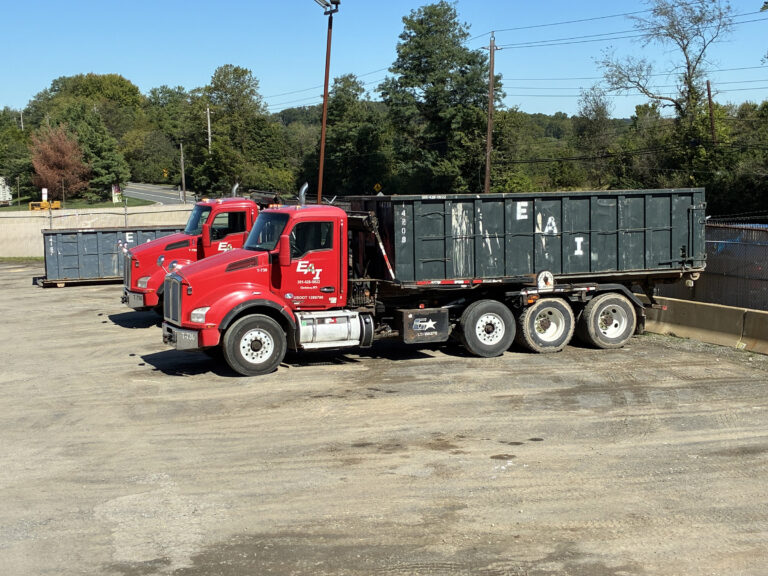
EAI operates approximately 100 rolloff trucks and manages more than 3,000 dumpsters, giving the company the capacity to support everything from a single-container project to large construction sites requiring multiple containers and ongoing exchanges. For contractors, having enough container capacity is important, but having a reliable service plan to keep those containers moving can be just as valuable.
Don’t Forget About Dumpster Placement
Even if you’ve identified the perfect container for the amount of debris being generated, it still needs to fit safely on the property. Before delivery, look at the available space and consider how the rolloff truck will access the placement area. Driveways, gates, overhead wires, trees, parked vehicles, construction equipment and soft ground can all affect where a container can be delivered.
This can be especially important on projects in Washington, DC and other developed areas where job sites may have limited staging space. In some cases, choosing a smaller container with more frequent exchanges can be more practical than trying to accommodate the largest possible dumpster. The goal is to find a setup that handles the debris without interfering with crews, deliveries or normal access to the property.
Contractors should also think ahead to pickup. A container that is easy to deliver on an empty site may become difficult to retrieve after equipment, building materials and vehicles begin filling the surrounding area. Keeping a clear path to the dumpster throughout the project helps prevent delays when it’s time for an exchange or final pickup.
When One Dumpster Isn’t the Best Answer
Sometimes the right dumpster size isn’t one dumpster at all. Larger projects may benefit from multiple containers, particularly when several types of construction debris are being generated or different crews are working in separate areas of the site.
Dedicated rolloff containers can also create opportunities to separate recyclable construction materials. Through its relationship with C&D Recovery, EAI can help customers consider recycling options for qualifying construction and demolition debris. If recycling is part of the project plan, discussing it before containers are delivered makes it easier to determine whether materials should be separated on site and how many containers may be needed.
Multiple dumpsters can also help on fast-moving construction projects where waiting for one full container to be exchanged would slow down production. The best setup depends on the job, which is why container quantity, size and service frequency should be considered together.
Let the Project Determine the Dumpster
There isn’t a single dumpster size that’s right for every cleanup, renovation or construction project. The best choice depends on what you’re removing, how much debris you expect to generate, how heavy those materials are, how much space is available and how quickly the container will need to be serviced.
EAI Rolloff serves customers throughout Washington, DC, Baltimore, Maryland and Northern Virginia from locations in Clarksburg, Capitol Heights and Manassas. Whether you’re tackling a home renovation, replacing a roof, removing concrete or coordinating waste removal for a large commercial project, our team can help determine the container and service plan that make sense for the job.
Before ordering a rolloff dumpster, contact EAI and tell us a little about your project. Knowing what you’re working on and what you’ll be throwing away can go a long way toward getting the right container on site the first time.