
- Fall is a good time to tackle roofing, demolition, remodeling, landscaping and property maintenance projects before winter weather arrives.
- Having a rolloff dumpster on site gives homeowners and contractors a convenient place to manage debris as work progresses instead of dealing with cleanup at the end.
- EAI Rolloff serves Washington, DC, Baltimore, Maryland and Northern Virginia from locations in Clarksburg, Capitol Heights and Manassas.
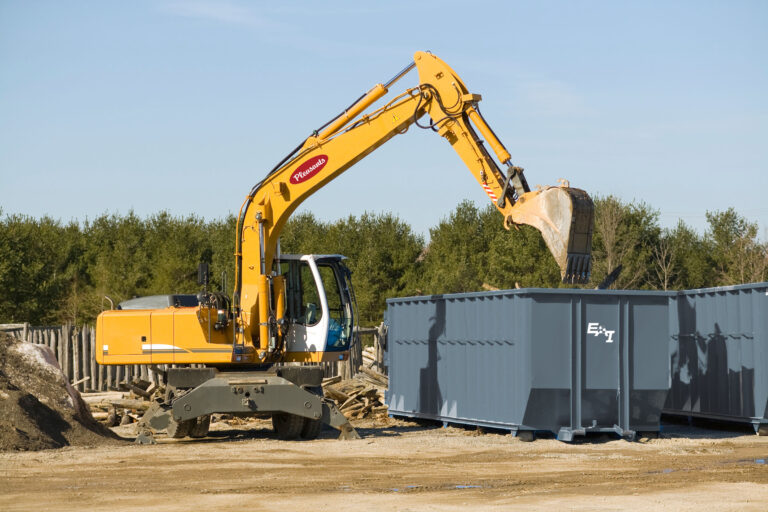
Fall tends to be one of the busiest times of year for home improvements, construction projects and property maintenance. Cooler temperatures make outdoor work more comfortable, contractors are working to complete projects before winter, and homeowners often use the season to take care of improvements that have been put off during the summer. The one thing many of these projects have in common is that they can produce far more debris than expected once the work gets underway.
Having a rolloff dumpster available from the beginning can make cleanup much easier, especially when you’re removing roofing, lumber, concrete, old building materials or landscaping debris. Instead of creating piles around the property and figuring out how to haul everything away afterward, debris can be managed as the work progresses. If you’re planning work this fall in Maryland, Washington, DC, Baltimore or Northern Virginia, here are eight projects where arranging a dumpster ahead of time may be worth considering.
1. Roof Replacement
Fall can be a good time to replace an aging roof before snow, ice and winter weather expose existing leaks or other problems. A full roof replacement also produces a considerable amount of debris in a short period of time. Asphalt shingles, underlayment and other roofing materials need somewhere to go as crews remove the old roof, which makes having a rolloff container positioned nearby especially useful.
Roofing debris can also be heavy, so container selection and loading are important. Before the project begins, let EAI know that the dumpster will be used for a roofing project so the team can help determine the appropriate container and placement. Asphalt roofing shingles are among the construction materials accepted for recycling by C&D Recovery, EAI’s sister company in Clarksburg, Maryland, providing an additional option for responsibly managing qualifying roofing debris.
2. Removing or Replacing an Old Deck
If a deck is deteriorating, unstable or simply ready for an upgrade, fall can provide a good window to get the work completed before winter. Even a relatively small deck can generate a surprising amount of material once boards, railings, stairs and framing are removed. Nails, fasteners and irregular pieces of lumber also make old deck material difficult to handle using normal trash service.
A rolloff dumpster allows the demolition crew to place debris directly into a container instead of building a pile in the yard or driveway. Depending on the type and condition of the material, some natural wood and dimensional lumber may have recycling opportunities, while treated, painted or contaminated materials may need to be handled differently. When you’re unsure about a particular material, it’s always better to check with EAI before loading the container.
3. Shed and Small Structure Demolition
An old shed, detached garage or other small structure can take up valuable space and become increasingly difficult to maintain as it ages. Removing it before winter can also eliminate concerns about a weakened roof or deteriorated structure being damaged by snow, wind or falling branches.
Demolition debris can include lumber, roofing shingles, siding, metal, concrete, brick and other building materials, so planning for disposal should be part of the project from the start. C&D Recovery accepts a variety of qualifying construction and demolition materials, including building materials, demolition debris, natural wood, block, brick, concrete and metal studding. Keeping these materials separate from household trash and other unacceptable items can create more opportunities for responsible processing and recycling.
4. Landscaping Tear-Outs and Yard Renovations
Fall is also a popular time for larger landscaping projects. Removing old landscape beds, replacing hardscaping, clearing brush or preparing an outdoor space for a spring renovation can generate much more material than a few curbside bags can handle. Larger projects may involve natural wood and brush along with old pavers, block, concrete or other materials removed from the property.
The type of material matters when determining the best disposal option. C&D Recovery accepts natural wood and brush as well as concrete, brick and block, but homeowners should not assume that general residential trash or an entire property cleanout can be handled the same way. Talking with EAI about what the project will generate before ordering the dumpster helps make sure the right container and disposal plan are in place.
5. Interior Remodeling Before the Holidays
Kitchen, bathroom and basement renovations often pick up in the fall as homeowners try to complete projects before the holidays or winter. Once demolition begins, cabinets, drywall, flooring, framing materials and other construction debris can accumulate quickly, even when the room itself isn’t particularly large.
Keeping a dumpster on site gives contractors a designated place for construction debris throughout the project and helps keep driveways, garages and work areas from becoming cluttered. This can be especially helpful on renovations that involve several trades working over a period of weeks. Because remodeling projects can also generate household items and materials that require special handling, customers should review accepted materials before loading rather than assuming everything removed from the home belongs in the same container.
6. Driveway, Patio and Concrete Removal
Replacing a cracked driveway, removing an old concrete patio or tearing out damaged hardscaping is often easier to tackle before freezing temperatures arrive. These projects create dense, heavy debris that requires different planning than a typical home renovation, particularly when concrete, brick or block makes up most of the load.
Concrete, brick and block are materials that may be recovered and recycled rather than simply discarded. C&D Recovery accepts these materials at its Clarksburg recycling facility, where qualifying construction and demolition debris can be processed for recovery. If your fall project involves a large amount of concrete or masonry, tell EAI what you’re removing when scheduling the dumpster so container size, weight and service can be planned appropriately.
7. Property Cleanouts Before Winter
Garages, basements, rental properties and other spaces have a way of collecting unwanted material throughout the year, and fall is often when property owners decide to clear things out before spending more time indoors. A rolloff dumpster can make a large cleanup more manageable by providing one central location for allowable waste instead of relying on repeated trips or small trash containers.
This is one project where it’s particularly important to understand the difference between EAI’s hauling services and C&D Recovery’s construction recycling operation. C&D Recovery does not accept residential trash, bulk waste or cleanouts at its facility, so those materials should not be presented as recyclable construction debris. Customers should also check ahead before disposing of batteries, liquids, chemicals, propane tanks or other restricted materials. A quick call before the project starts can clarify what can go into the dumpster and how unusual items should be handled.
8. Commercial Property Maintenance and End-of-Year Cleanup
Fall cleanup isn’t limited to homeowners. Commercial property managers and contractors often use the months before winter to complete repairs, remove damaged materials, replace exterior features and clean up debris that has accumulated during construction or maintenance work. Retail properties, office buildings, warehouses, apartment communities and other commercial sites may generate construction debris from several smaller projects happening at the same time.
Having a rolloff container on site can make it easier to keep those projects organized without allowing debris to collect around loading areas, parking lots or work zones. For larger commercial properties, EAI can also coordinate container exchanges and additional service as the amount of debris changes. When qualifying construction and demolition materials are generated, recycling options can be considered as part of the overall waste plan rather than waiting until the cleanup is already underway.
Plan Your Fall Project Before Winter Arrives
The best time to think about debris removal is before demolition starts, not when the driveway or job site is already covered with material. Knowing what you’ll be removing, approximately how much debris the project will generate and where a container can safely be placed makes it easier to choose the right rolloff dumpster and plan pickups around the work.
EAI Rolloff serves homeowners, contractors and commercial customers throughout Washington, DC, Baltimore, Maryland and Northern Virginia from locations in Clarksburg, Capitol Heights and Manassas. Through its relationship with C&D Recovery, EAI can also help support responsible recycling of qualifying construction and demolition materials such as asphalt roofing shingles, natural wood and brush, concrete, brick, block and other accepted construction debris.
Whether you’re replacing a roof, tearing out an old deck, remodeling a home or trying to wrap up a construction project before cold weather arrives, contact EAI Rolloff to discuss the project and the materials you’ll be removing. Planning the dumpster along with the rest of the job can make fall cleanup a lot easier when the work begins.